
What does a publicly listed developer mean for a buyer? The strategic advantage behind Larimar City & Resort
What does it mean for a buyer that the developer is listed on the stock market? The strategic advantage behind Larimar City & Resort
When buying a home or a high-value real estate investment, location, design, and finishes usually take center stage. However, there's a structural factor gaining greater relevance among informed buyers and international investors: that the developer is listed on the stock market. Far from being just a corporate detail, this condition has direct implications for the security, profitability, and future projection of the project. In the case of Larimar City & Resort, this aspect reinforces its positioning as a solid, strategic, long-term real estate development.
When a real estate developer is listed on a regulated stock market — like the Madrid Stock Exchange or any other supervised international market — it is subject to a level of control, transparency, and financial discipline far greater than that of a traditional private company. That means it must publish periodic financial results, communicate material risks, report leverage, and detail its investment and growth plans. It is also subject to independent external audits and to oversight by securities-market regulators.
For the buyer, this transparency is not a minor detail. It means that information about the company's financial health is available and verifiable. It allows you to analyze the developer's real capacity to execute large-scale projects, meet deadlines, and maintain quality standards. In a sector where trust is key, the obligation to be accountable to shareholders, institutional investors, and regulators creates an environment of greater legal and financial certainty.
In large-scale developments like Larimar City & Resort — conceived as a comprehensive project combining residential, services, green areas, and leisure spaces in a strategic location with strong growth potential — the developer's solidity is decisive. These projects require significant capital volumes, long-term planning, and a financial structure able to absorb economic cycles. A publicly listed company has access to diversified funding sources: it can issue equity, tap debt markets on more competitive terms, and attract capital from investment funds, banks, and large international investors. That funding capacity translates into greater stability during execution and a lower probability of interruptions due to lack of liquidity.
Moreover, being publicly listed means multiple actors are involved in continuous oversight and analysis of the company. External auditors review its accounts; financial analysts evaluate its performance and prospects; institutional investors demand management discipline; and market regulators monitor compliance with strict corporate-governance rules. This ecosystem of oversight has a positive chain effect: the developer must maintain elevated standards of management, planning, and communication. For the buyer of a home or asset in Larimar City & Resort, this translates into greater predictability and lower structural risk.
Another key aspect is credibility in the market. A publicly listed company is permanently evaluated by its ability to create value and meet objectives. Its reputation directly impacts its share price. That's why the correct execution of flagship projects is not only an operational matter but also strategic. A development like Larimar City & Resort can become a flagship asset within the company's portfolio, reinforcing its image with global investors and consolidating its presence in the region. This alignment of interests — between the developer, its shareholders, and the buyers — favors execution to high standards and a long-term view.
From a real estate investment standpoint, being listed also influences perceived future value. Listed developers usually work with macroeconomic forecasts, market analyses, and detailed demand studies, since their strategic plans must be communicated and defended in the market. That means investment decisions, like the development of Larimar City in a geographically strategic area, respond to rigorous studies on population growth, infrastructure development, tourism appeal, or regional economic dynamism. For the buyer, knowing the project is framed within a corporate strategy backed by professional analysis adds another layer of confidence.
In terms of value, this context can be especially relevant. A project backed by a listed developer tends to inspire greater confidence in the secondary market, which can favor liquidity and appeal to future buyers or tenants. If Larimar City consolidates as a benchmark in its area, the reputational effect of the developer and the financial solidity behind it can positively affect how the asset is perceived, contributing to its appreciation potential.
The future outlook also plays a decisive role. Publicly listed companies usually structure their plans with time horizons of five to ten years or more, integrating diverse economic scenarios and contingency plans. This strategic planning reduces improvisation and favors more stable execution, even amid global uncertainty. In an international environment marked by economic fluctuations, inflation, or regulatory changes, having a developer subject to market discipline brings resilience to the project.
The ability to attract foreign investors is another factor that can directly impact developments like Larimar. Investment funds, family offices, and large institutional capital tend to prioritize projects backed by companies with international standards of transparency and corporate governance. That can translate into greater commercial dynamism, higher demand, and a more robust ecosystem around the project, benefiting both owners and investors.
In short, having a publicly listed developer is not merely a badge of prestige — it's a structural element that influences security, financing, execution, and the future projection of a real estate development. In the case of Larimar City & Resort, this condition reinforces its positioning as a solid, transparent project aligned with international standards. For the buyer, it means investing not just in square meters, but in a corporate structure that is supervised, audited, and oriented toward creating sustainable value over time.
Choosing where to live or invest is a transcendental decision. Analyzing who is behind the project and the framework under which they operate can make the difference between a conventional purchase and a strategic investment. In an increasingly demanding market, the developer's stock-market listing becomes a differentiating factor that brings confidence, stability, and a forward-looking vision to reference developments like Larimar City & Resort.
Natalia Kvirikashvili Sadikova
Communications Department
CLERHP
Featured projects
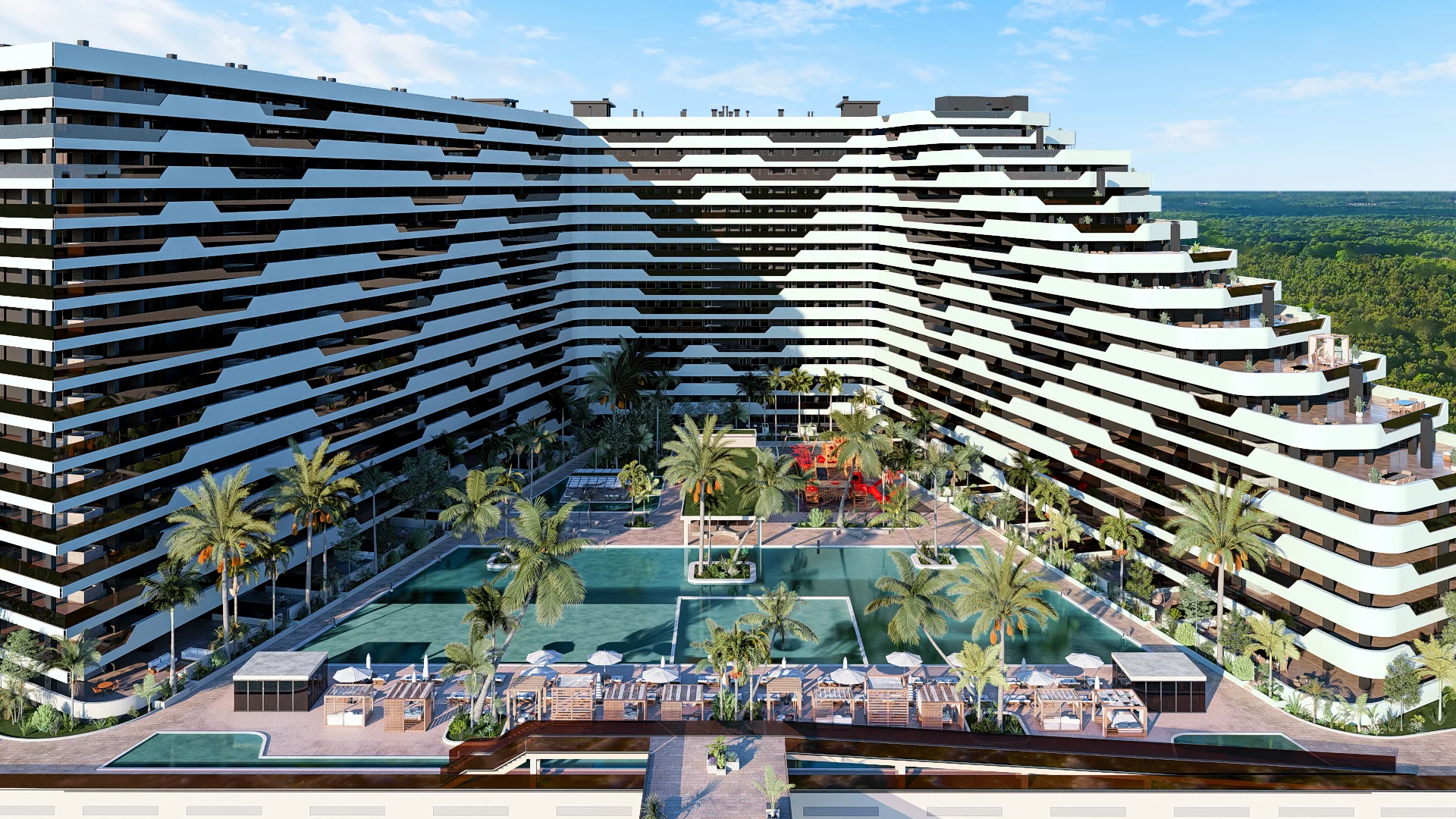
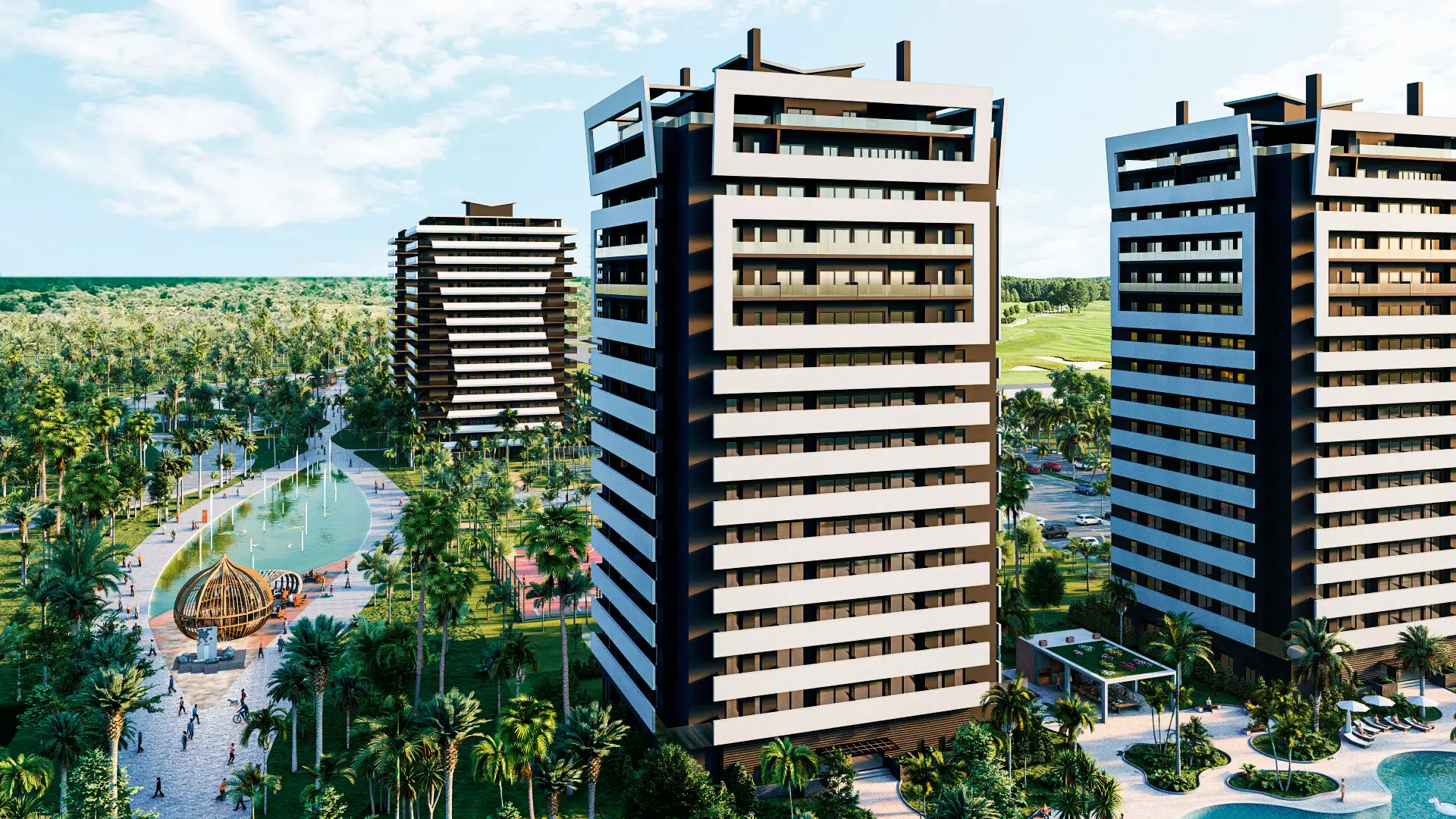
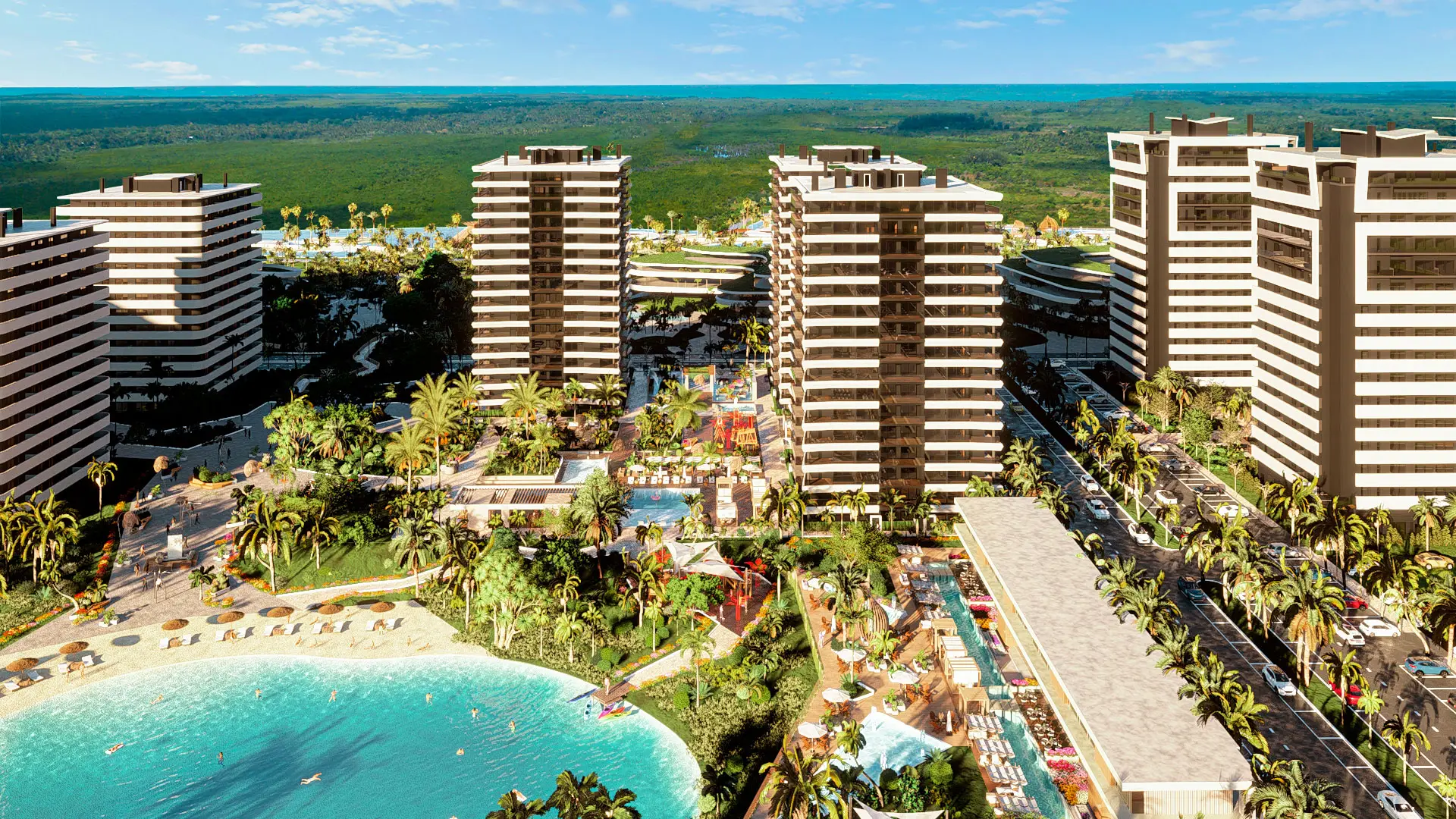
Explore the residential projects of Larimar City mentioned in this article.
Smart Investment
Join the first Smart City in the Caribbean. Discover how Larimar City redefines safety and property value in Punta Cana.
Request informationMore Articles

Inversión institucional en República Dominicana: eficiencia fiscal y beneficios para grandes operadores en Larimar City
Institutional investment in the Dominican Republic: fiscal efficiency and benefits for large operators at Larimar City