Merengue and bachata: rhythms that conquer the world from the DR
Merengue and bachata: rhythms that conquer the world from the DR
The Dominican Republic isn't just synonymous with paradise beaches and Caribbean hospitality — it's also the cradle of two of the most vibrant and universal musical genres: merengue and Dominican bachata. These rhythms have transcended borders, taking the flavor, passion, and joy of the Dominican people to all five continents.
In this article we explore their history, their most emblematic figures, the events that celebrate them, and why they're an essential part of the cultural soul of Larimar City & Resort and of the entire country.
Dominican merengue: national identity and Heritage of Humanity
Dominican merengue is much more than a musical genre — it's a cultural expression that unites generations. Its history dates back to the 19th century, when it was born from the fusion of African, European, and indigenous rhythms. Over time, this contagious sound became a national symbol, and in 2016 it was declared by UNESCO as Intangible Cultural Heritage of Humanity.
Origins and evolution of merengue
Merengue began as a popular dance in rural areas, accompanied by typical instruments such as the güira, the tambora, and the accordion. In the following decades, it became popular in the cities and evolved toward a modern form with influences from jazz and other tropical genres.
Figures who marked history
Among the great exponents of Dominican merengue, names stand out such as:
- Juan Luis Guerra, who internationalized the genre with iconic songs like La bilirrubina and Ojalá que llueva café.
- Johnny Ventura, known as "El Caballo Mayor," who revolutionized the merengue scene with his innovative style and his energy on stage.
- Wilfrido Vargas, responsible for hits like El africano or Abusadora, which placed merengue at the top of international charts.
Merengue today
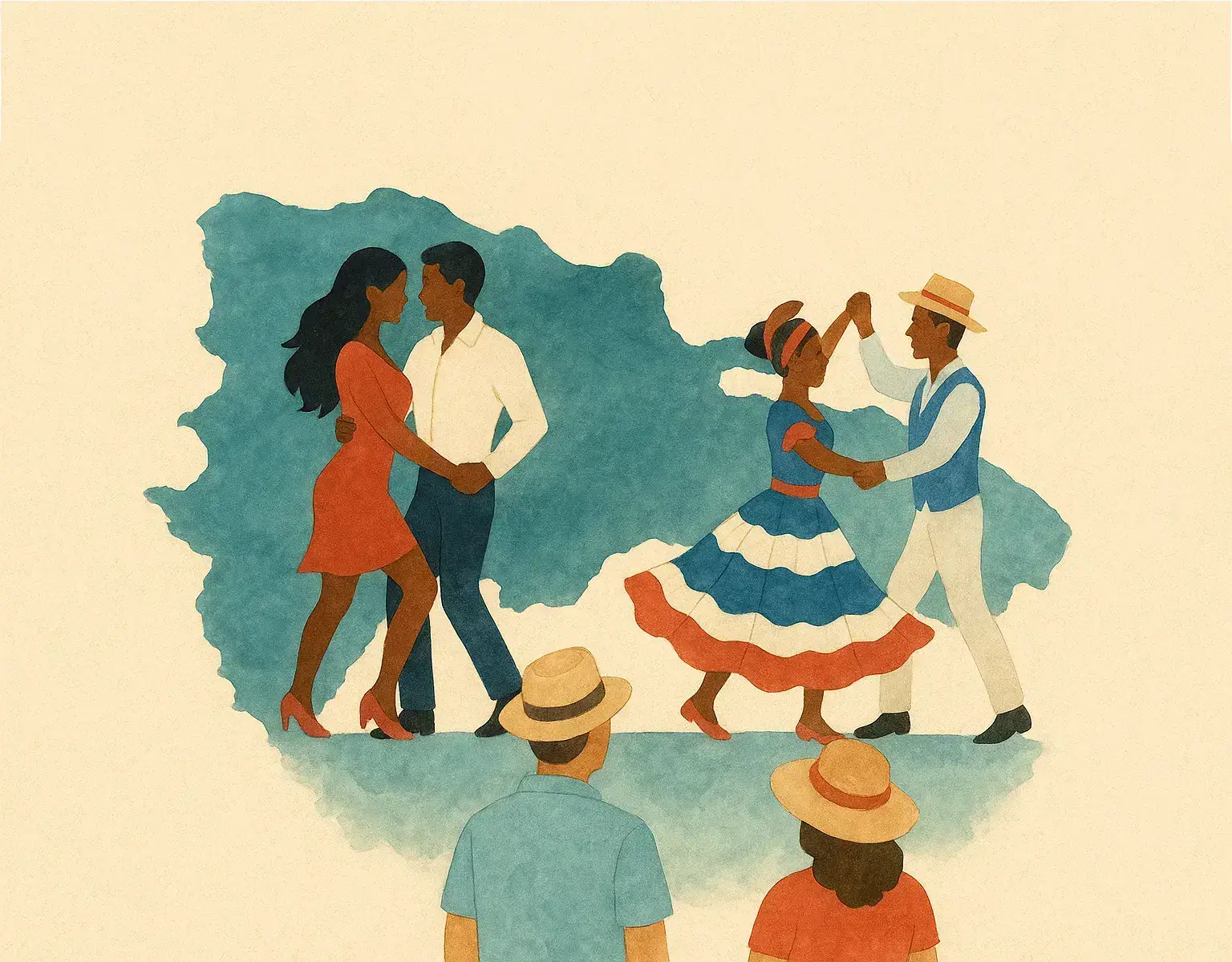
Today, Dominican merengue remains alive in the country's parties, festivals, and celebrations. At Larimar City & Resort, this rhythm is felt on every corner, where visitors can dance to its contagious cadence.
Dominican bachata: from the bolero of the neighborhoods to a global phenomenon
If merengue is joy, bachata is passion. It was born in the popular neighborhoods of Santo Domingo in the 1960s as a fusion between bolero and Caribbean rhythms, initially marginalized for being considered music of the humbler classes.
However, what began in Dominican patios and corner stores became, over time, one of the most romantic and universal musical expressions in the world.
From the street to the global stage
Bachata from the DR evolved thanks to pioneers like José Manuel Calderón, considered its first great interpreter. Later, artists such as Anthony Santos, Luis Vargas, and Raulín Rodríguez refined the sound, incorporating electric guitars and more elaborate lyrics.
But it was Juan Luis Guerra with his album Bachata Rosa (1990), and later Aventura and its lead vocalist Romeo Santos, who took Dominican bachata to a global level. Today, Romeo Santos fills stadiums in Europe, America, and Asia — consolidating bachata as one of the most listened-to rhythms on the planet.
International recognition
In 2019, UNESCO also included DR bachata in its list of Intangible Cultural Heritage of Humanity — recognizing its value as an emblem of Dominican identity and its ability to connect universal emotions.
Events that celebrate Dominican rhythms
Both merengue and bachata are protagonists of the country's main festivals. Some of the most notable include:
- Santo Domingo Merengue Festival: held every summer, it brings together the greatest exponents of the genre, with parades, concerts, and cultural activities along the Malecón.
- Puerto Plata World Bachata Festival: an international gathering combining dance, workshops, competitions, and shows that attract thousands of visitors from around the world.
- Dominican Carnival: although it's a traditional festivity, merengue and bachata become the soundtrack of every comparsa, reflecting the country's joy and cultural diversity.
At Larimar City & Resort, these events find resonance in its cultural agenda. The development positions itself as a new epicenter of Dominican art, music, and tourism — offering immersive experiences that celebrate Dominican rhythms at their fullest expression.
Curiosities you may not have known
- The word merengue may derive from the dessert of the same name, alluding to its "sweetness and lightness."
- Bachata was originally called "music of heartbreak" (música de amargue), due to its melancholic lyrics and humble origins.
- Dominican merengue is danced today in more than 40 countries, and bachata is part of international Latin dance competitions.
Larimar City & Resort: the new stage of Dominican art and culture
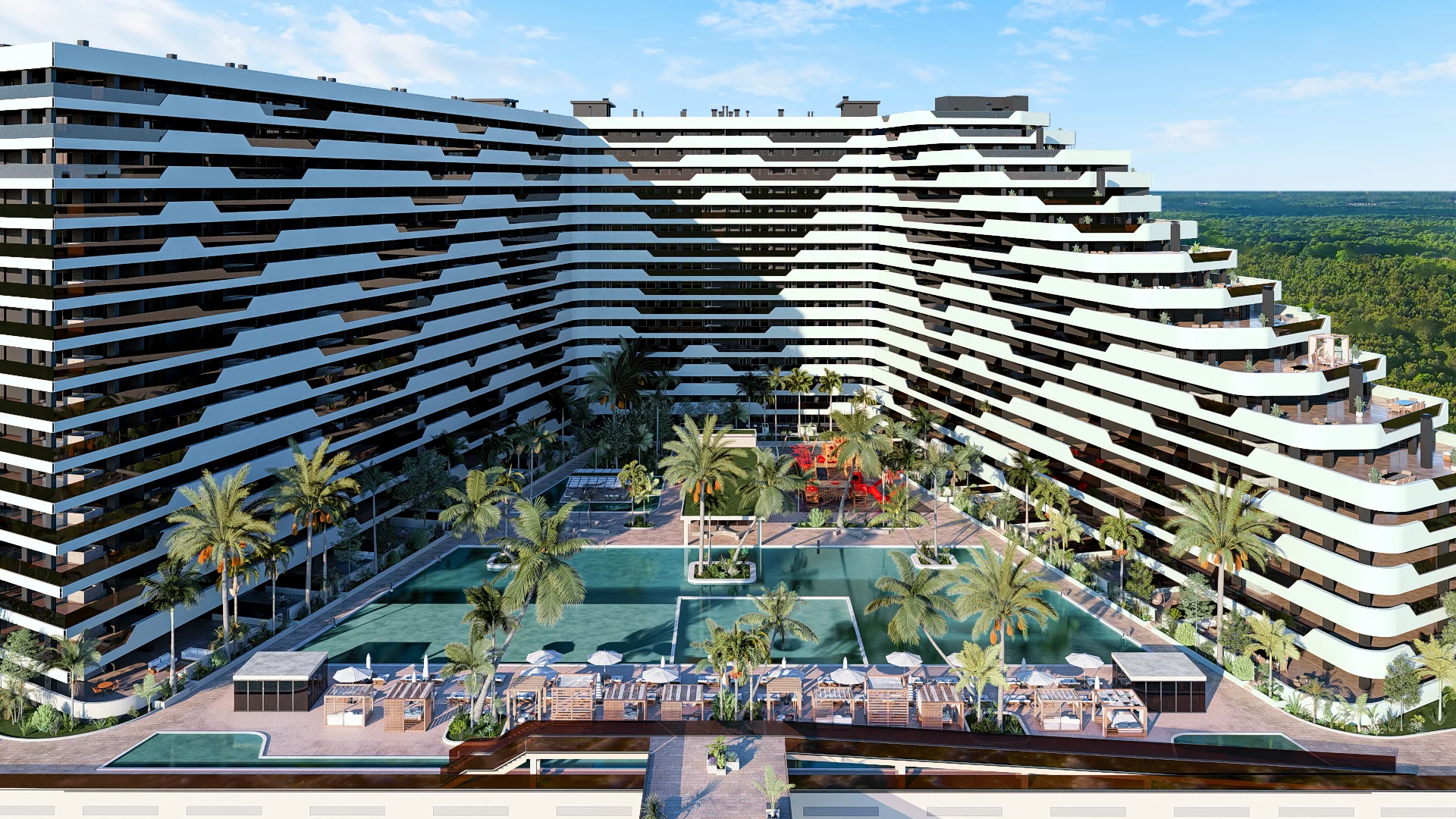
Located 100 meters above sea level, Larimar City & Resort is consolidating itself as a Caribbean urban development designed to combine luxury, sustainability, and culture.
Its artistic programming and its spaces dedicated to local music make the development a meeting point between tradition and modernity.
Larimar City pays constant tribute to the Dominican rhythms that define the country's identity. Here, visitors and residents can enjoy Dominican merengue and bachata in an environment that celebrates the authenticity, talent, and joy of living the Dominican way.
Conclusion: a legacy that keeps conquering hearts
Merengue and bachata aren't just musical genres — they're a way of life, an expression of history, passion, and national pride. From the Dominican Republic, these Dominican rhythms have crossed borders to become heritage of the world.
And at Larimar City & Resort, that legacy remains alive. Here, every note, every dance step, and every smile is a tribute to the spirit of a people that has known how to conquer the world to the rhythm of the Caribbean heart.
Natalia Kvirikashvili Sadikova
Communications Department
CLERHP
Featured projects
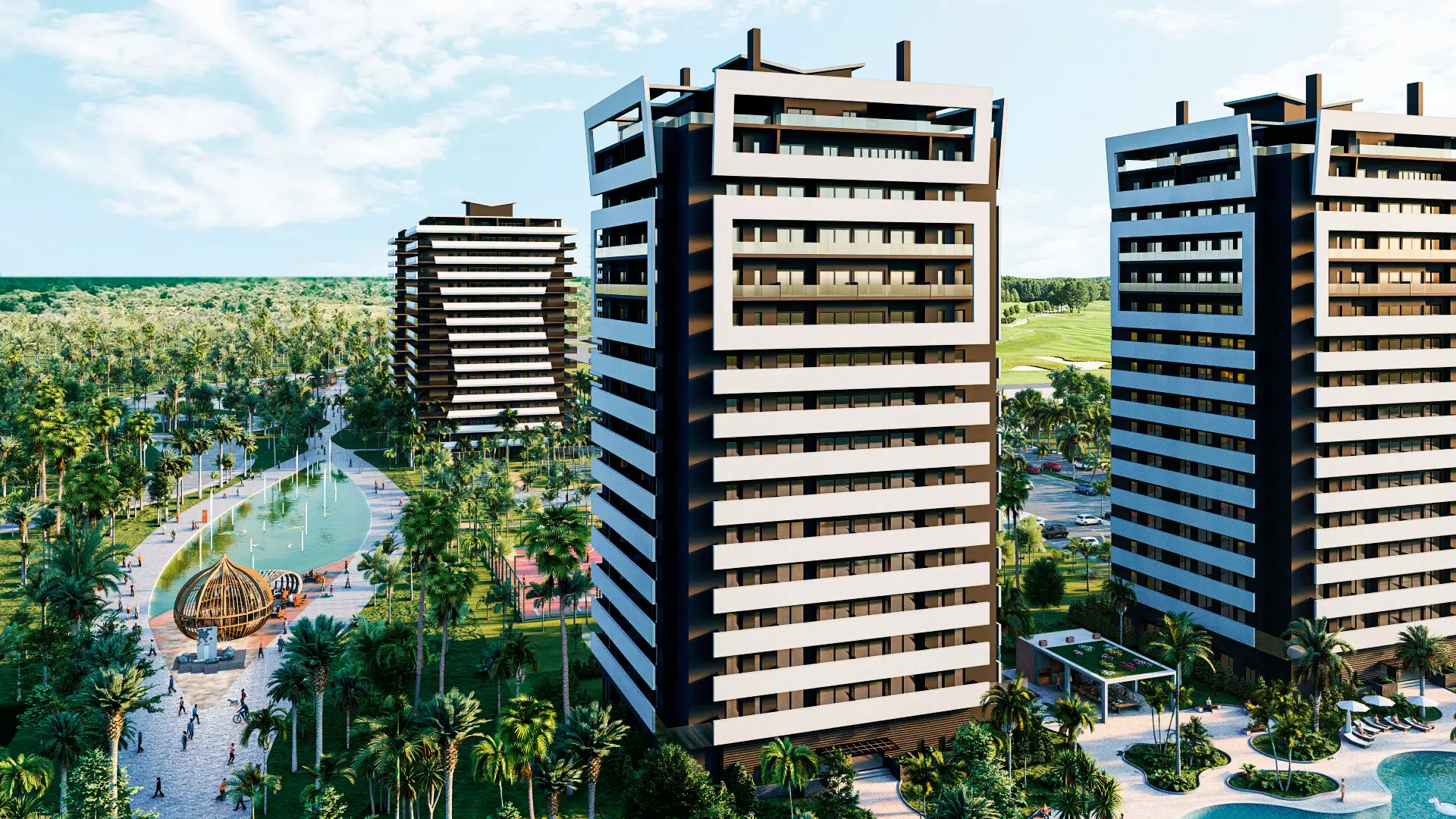
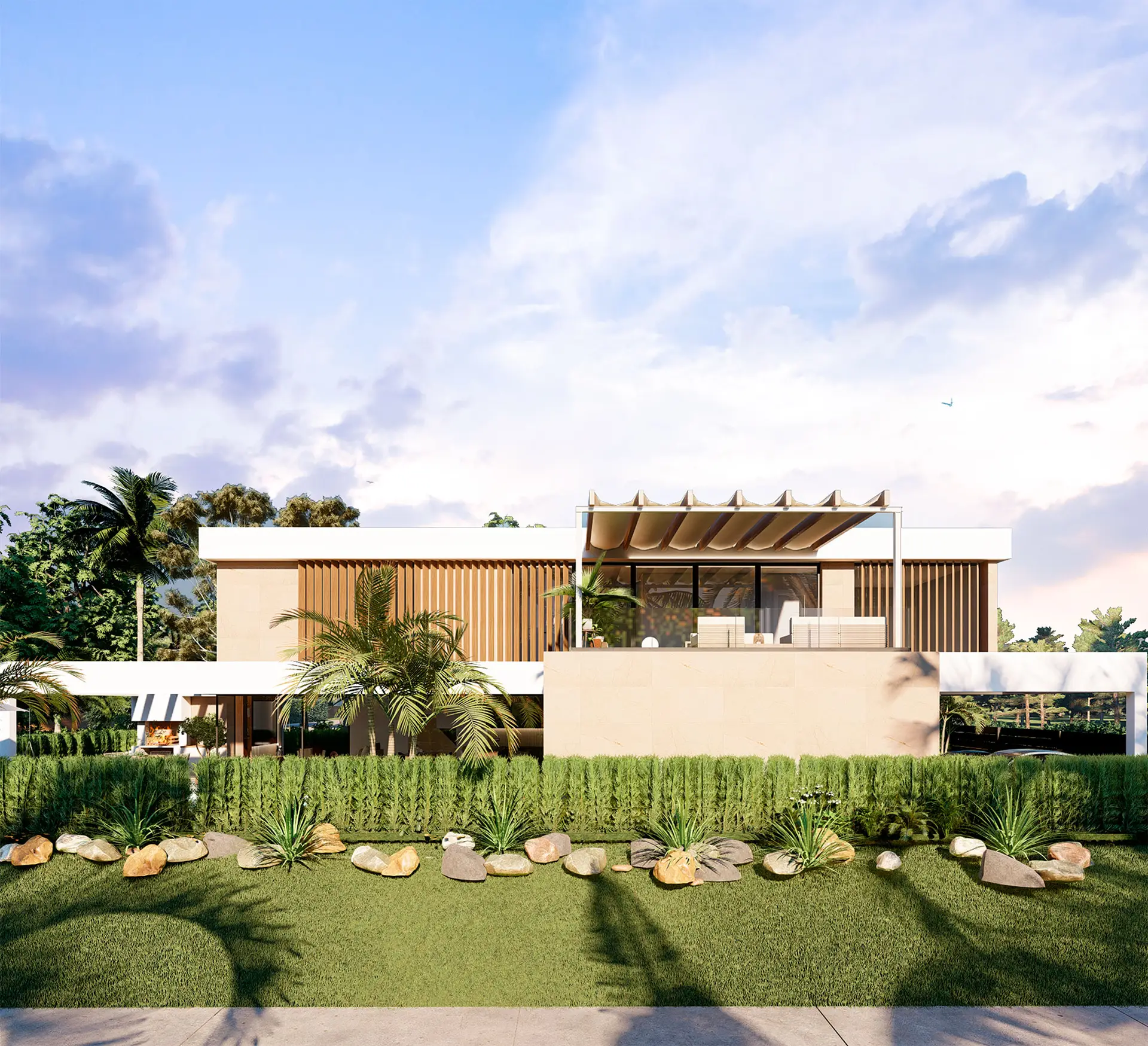
Explore the residential projects of Larimar City mentioned in this article.
Smart Investment
Join the first Smart City in the Caribbean. Discover how Larimar City redefines safety and property value in Punta Cana.
Request information